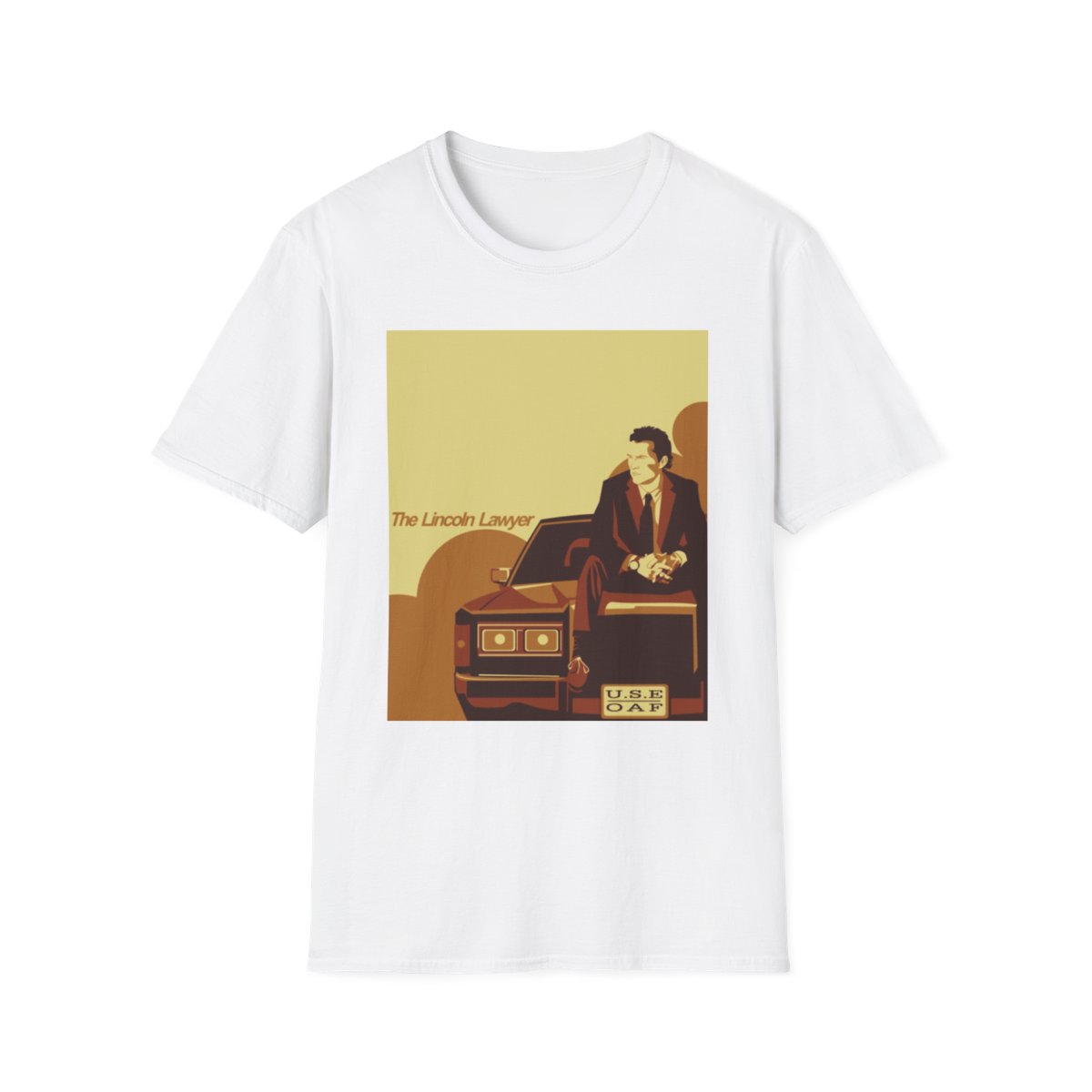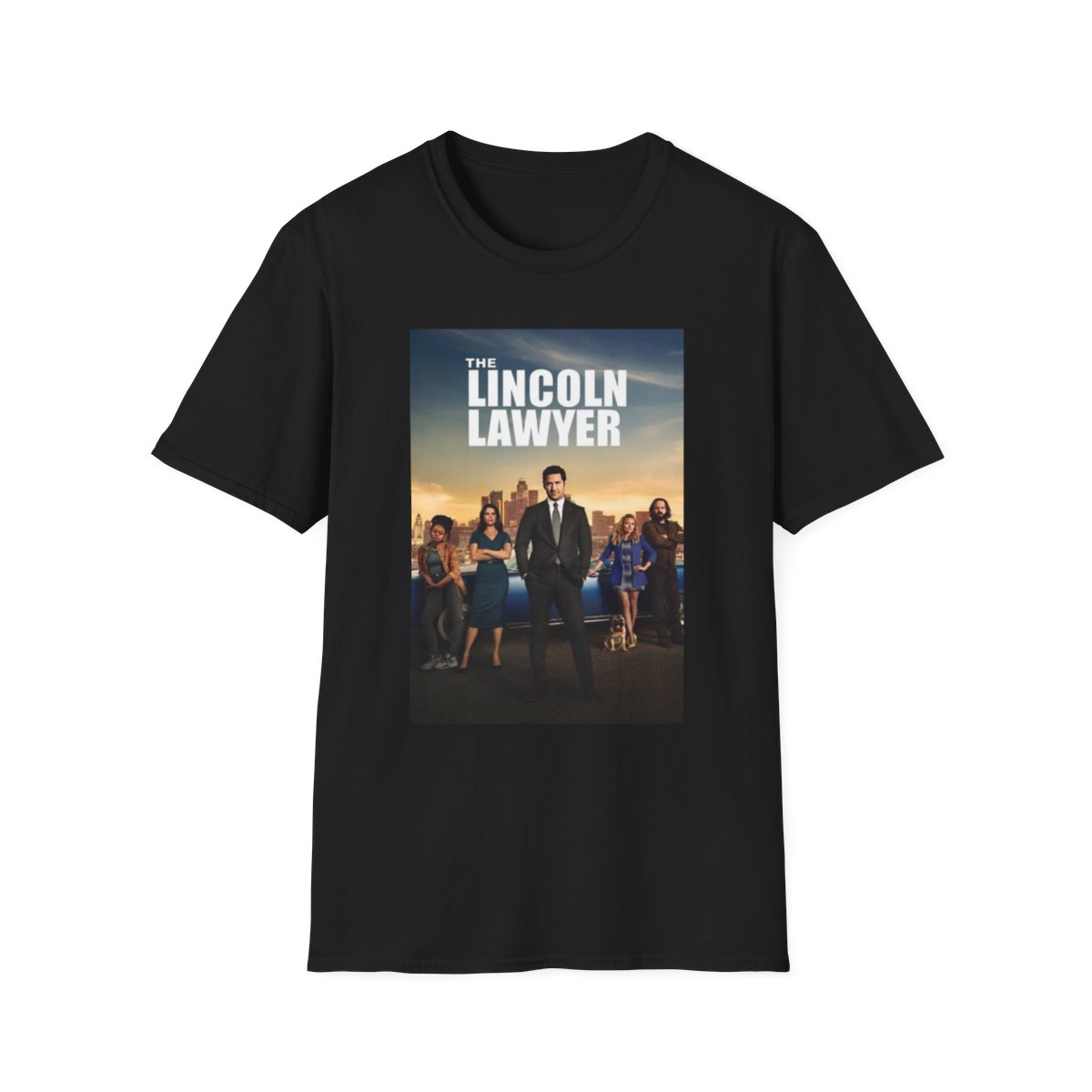
If you’ve amassed a collection of The Lincoln Lawyer gear - shirts, mugs, posters, and limited-edition pieces - you know the struggle: how do you keep everything looking great while showing off your fandom? The right display and storage can protect your merch from fading, creasing, and dust. In this guide, I’ll share practical The Lincoln Lawyer collection storage ideas that balance visibility with preservation. Whether you’re a new collector or a seasoned fan, these tips will help your pieces stay crisp for years.
← Back to Blog
How to Display and Store Your The Lincoln Lawyer Collection
Learn creative ways to display and store your The Lincoln Lawyer collection, from t-shirts to collectibles, with tips on shelving, apparel care, and seasonal rotation.
Choosing the Perfect Display Spot
Consider Light and Humidity
Direct sunlight is the enemy of printed apparel and posters. Ultraviolet rays cause colors to fade - sometimes in just a few months. Pick a wall or shelf that gets indirect light, or use UV-filtering glass on frames. Also avoid damp basements; humidity can warp paper goods and cause mildew on fabric. Aim for a room with stable temperature (60-75°F) and humidity below 50%.High-Traffic vs. Low-Traffic Areas
A display in your living room gets seen by guests but risks spills and bumps. A dedicated den or office offers more control. Pro tip: if you have kids or pets, keep fragile items behind glass. For apparel, a hall closet with proper shelving can double as a mini gallery - just rotate pieces out to keep the space fresh.Common mistake: Displaying everything in the same spot. Rotate items seasonally to spread light exposure and keep your collection dynamic.
Best Shelving and Display Cases for Your Merch
Floating Shelves for Apparel and Accessories
Floating shelves work well for folded t-shirts, hats, or small collectibles. Use shelves at least 10 inches deep to accommodate folded stacks. For a uniform look, fold shirts the same way (like a retail display) and group by color or character. Our Mickey Haller Courtroom Scene Poster looks stunning when framed and set on a shelf riser behind smaller items.Display Cases for Collectibles
If you have pins, keychains, or action figures, a glass-front display case keeps dust off. I recommend cases with adjustable shelves - you can fit a mix of tall and short items. Look for ones with locking doors if you have valuable pieces. For example, my The Lincoln Lawyer Logo Pin Set sits in a shadow box with a felt backing; the pins stay secure and the dark background makes them pop.Pro tip: Use museum putty (removable adhesive) to hold small items in place on shelves. It prevents accidents from bumps or earthquakes without damaging the surface.
Caring for Apparel: Folding vs Hanging
When to Fold
Folding is best for heavy knits (like sweatshirts) and graphic tees with thick prints. Hanging these can stretch the neckline or cause shoulder bumps. Fold shirts neatly, place acid-free tissue paper between folds to prevent crease marks, and stack no more than five high to avoid pressure on bottom pieces.When to Hang
Hang button-up shirts, jackets, and items with delicate prints on padded hangers. Wire hangers can distort shoulders. For graphic tees, some collectors prefer hanging to avoid fold lines - just use wide, velvet hangers and never hang by the collar. Rotate hanging items every few months to reduce stress on seams.Common mistake: Hanging all t-shirts. In my experience, 80% of graphic tees develop shoulder bumps from hangers within a year. Fold those unless you are displaying for a short period.
Organizing Limited Edition and Rare Items
Separate the Prized Pieces
Limited edition drops, signed merch, or first-run prints need extra care. Store these in archival-quality sleeves or boxes. For apparel, use garment bags made of breathable cotton - avoid plastic dry-cleaning bags that trap moisture. Label each bag with the item name and date acquired.Create a Backup Display
Keep one set of your collection on display and another in storage. This way, you can swap out items when you want a fresh look without wearing out your favorites. For instance, I keep my The Lincoln Lawyer Midnight Edition Hoodie in a climate-controlled closet and bring it out only for special occasions or when I need a change.Pro tip: Take photos of your stored pieces with a ruler for scale - it helps when selling or insuring items later.
Rotating Your Display for Each Season
Plan Your Rotation Schedule
Change your display every three months to match seasons or new show releases. For example, feature summer-themed pieces (like the beachy Lincoln Lawyer Mug) in July, then switch to darker, moodier items in fall. Keep a notebook or spreadsheet of what’s on display and what’s stored.Engage the Community
Share your rotation on social media using hashtags like #LincolnLawyerCollection. Fans love seeing creative displays. I’ve seen collectors build miniature courtroom dioramas with their figures - it’s a fun way to keep the hobby fresh. Plus, rotating reduces wear on any single item.Common mistake: Leaving the same display up for years. Even out of sunlight, dust settles and colors can shift. A rotation every 90 days keeps everything in rotation.
Frequently Asked Questions
Should I store t-shirts in vacuum-sealed bags?
No. Vacuum sealing compresses fibers and can permanently crush prints. Use breathable fabric bins instead.Can I display posters without framing?
Unframed posters attract dust and can yellow from oils in the air. At minimum, use a poster sleeve and place it in a flat file. Framing with UV glass is best.How do I remove creases from folded merch?
Use a handheld steamer on low heat, holding it 6 inches away. Never iron directly over prints. For tough creases, gently steam the back of the fabric.What’s the best way to clean collectible pins?
Wipe with a soft, dry cloth. For stubborn dirt, use a tiny bit of mild soap on a damp cloth - dry immediately to prevent rust on the backing.How many items should I display at once?
Less is more. I recommend 5-7 items per shelf or wall area. Too many items look cluttered and increase dust accumulation.Key Takeaways
- Choose a display spot away from direct sunlight and humidity to prevent fading and warping.
- Use floating shelves for folded apparel and glass cases for small collectibles.
- Fold most graphic tees; hang only structured items on padded hangers.
- Store rare items in archival materials and rotate your display every season.
- Clean systematically - dust shelves weekly and wash apparel before storage.
Related Posts
Merchandise
The Lincoln Lawyer Season 5 Merch Guide: What to Buy and Where to Find It
From the Classic T-Shirt to the Premium Hoodie, here's your complete guide to The Lincoln Lawyer sea...
MerchandiseHow to Dress Like Mickey Haller: Fan Style Guide 2026
Learn how to dress like Mickey Haller with our 2026 fan style guide. From tailored suits to off-duty...
MerchandiseThe Lincoln Lawyer Summer Merch Guide 2026: Best Gear for Fans
Your ultimate guide to The Lincoln Lawyer summer merch 2026. Find the best tees, hoodies, and polos ...
Shop The Lincoln Lawyer Merch
Official merchandise — premium quality, designed for the community.